

 English
 Español
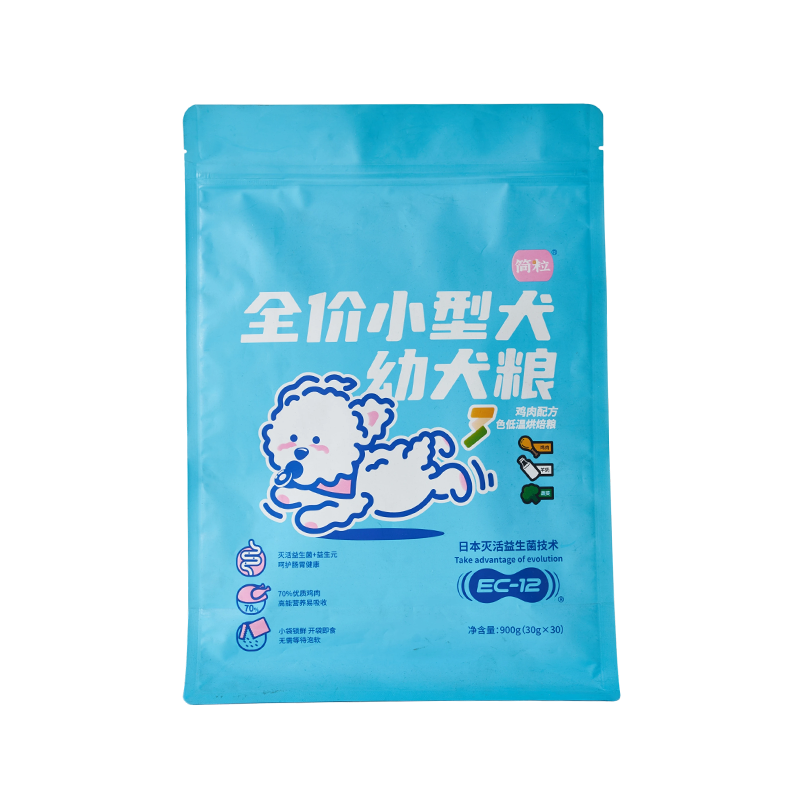
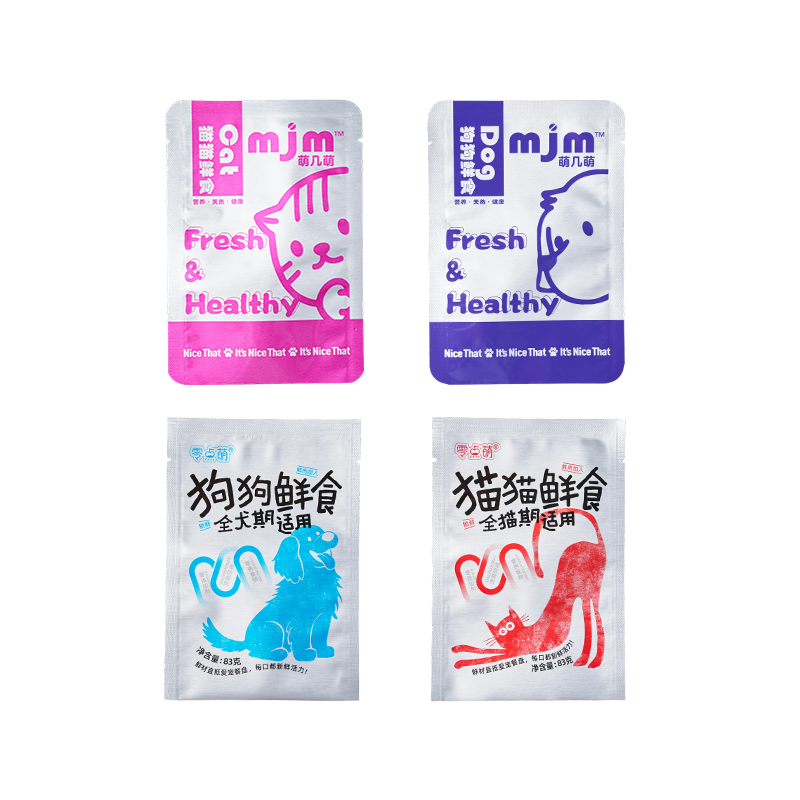
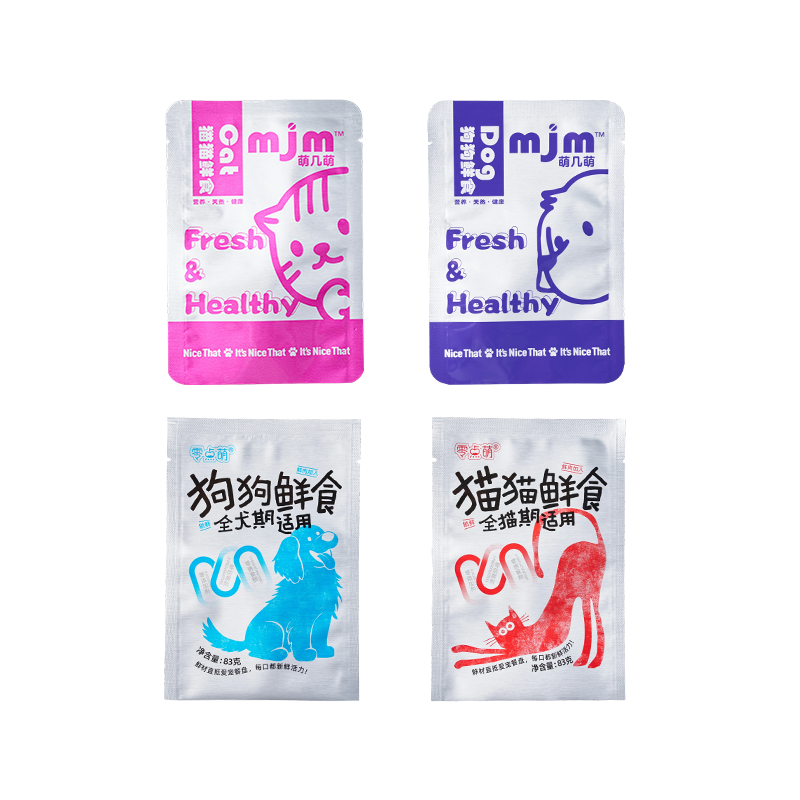
Walk down any pet food aisle. Those shiny bags of kibble aren't just for show. They're built to keep the food inside from going stale, soaking up moisture, or losing nutritional value. A high barrier pet food packaging bag is a piece of engineering that directly affects how long that food stays fresh and safe to eat.
What Makes It High Barrier
The bag stops oxygen, moisture, and light from getting in. Oxygen makes fats rancid. Moisture turns kibble soft and promotes mold. Light degrades vitamins and accelerates oxidation. A high barrier pet food packaging bag blocks all three.
The barrier comes from the layers. Aluminum foil stops oxygen and light completely. EVOH also blocks oxygen but loses effectiveness in high humidity. Metallized film reflects light and adds moisture protection. Polyethylene seals the bag and gives it strength. Most high barrier bags use a combination of these, layered in a specific order.
Why Pet Food Needs This Level of Protection
Pet food contains fat. Fat exposed to oxygen goes rancid. Rancid fat smells bad, tastes worse, and loses nutritional value. Over time, it can cause digestive issues and reduce how much the pet wants to eat. The bag keeps oxygen out so the fat stays stable.
Moisture is the other threat. Kibble absorbs humidity and loses its crunch. Mold grows in damp conditions and produces mycotoxins that can make animals sick. The bag's moisture barrier keeps humidity out so the food stays dry.
Store lighting adds a third risk. Light breaks down vitamins and speeds up fat oxidation. Bags with foil or metallized layers block the light, so the food inside stays intact.
How the Layers Work Together
A high barrier bag typically uses three to seven layers. The sealant layer, usually polyethylene, makes the bag heat-sealable. The barrier layer—foil or EVOH—stops oxygen and moisture. Tie layers bond incompatible materials. The outer layer, polyester or nylon, holds printing and resists abrasion.
Foil and non-foil versions serve different needs. A foil bag uses a structure like PET/foil/PE and offers near-total protection. It's the default for products needing 12 to 24 months of shelf life. A non-foil bag might be PET/EVOH/PE. It's lighter and more flexible, but EVOH loses barrier in high humidity, so it works best for shorter shelf life or drier environments.
Flat Bags and Stand-Up Pouches
The same film can be made into different formats. Flat bags are the traditional square sacks. They stack well, cost less, and work for larger kibble sizes. Stand-up pouches have a gusseted bottom. They sit upright on shelves, give more room for branding, and are the top choice for premium pet foods. Both use the same multilayer films—the difference is how the bag is folded and sealed.
Printing and Lamination
Pet food bags compete for attention. Flexographic or rotogravure printing goes on the outer layer—brand name, food images, nutritional claims. The print has to survive shipping and handling without scuffing.
Lamination has to stay bonded. If layers separate, the barrier fails at those points. Good lamination keeps everything intact through flexing, temperature changes, and rough handling.
What a Good Bag Must Deliver
- Oxygen transmission below 1 cc/m²/day.
- Moisture vapor below 1 g/m²/day.
- Seal strength that holds 10 pounds of kibble.
- Puncture resistance for sharp kibble edges.
- Print adhesion that survives handling.
These specs get tested before shipping. Seal strength checks for failures. Drop testing simulates shelf falls. Puncture testing measures tear resistance. Oxygen and moisture tests verify the barrier.
A high barrier pet food packaging bag is a system, not a sack. Materials, layers, seals, and printing all work together. A failure at any point means spoiled food and unhappy customers. Good bags start with good films, good laminations, and good seals. They're built for shelf life, not just shelf presence.